Appraisal vs. Selling Price: What's the Difference?
Reviewed by Jonatan Yakubov, Graduate Gemologist at DJP Jewelers & Luxury Buyers.
Appraisal vs. Selling Price: What's the Difference?
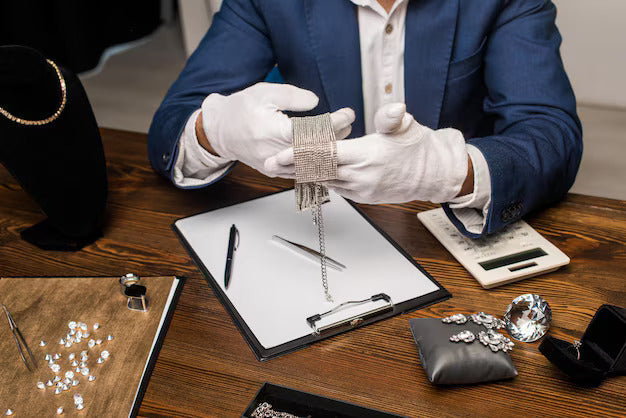
One of the most common surprises we see is a customer arriving with an insurance appraisal for $8,000, expecting a similar cash offer, and feeling confused when the number is different. Both figures can be accurate. They just answer completely different questions.
Where the Word "Appraisal" Comes From
"Appraisal" comes from the Latin "appretiare," meaning "to set a price on," built from "ad" (to) and "pretium" (price). The word has always been about assigning a value for a specific purpose, and that purpose is exactly why an appraisal number and a selling price so often diverge.
Three Numbers, Three Purposes
- Retail replacement value. This is the number on most insurance appraisals. It represents what it would cost to buy an identical piece brand-new at full retail today, including the jeweler's markup. It is intentionally the highest of the three figures.
- Fair market value. Used for estates, donations, and tax purposes, this represents a reasonable price between a willing buyer and seller in the secondhand market, with no urgency on either side.
- Liquidation or buyer's offer. This is what a buyer will actually pay in cash, today, accounting for resale risk, refining costs if applicable, and the buyer's own margin. It is almost always the lowest of the three numbers.
Why Sellers Are Often Surprised
An insurance appraisal is designed to make sure you are fully covered if a piece is lost or stolen, so it reflects the cost to replace it new, not what you could get for the used piece today. It is common for retail replacement value to run two to three times higher than a realistic cash offer. Neither number is wrong. They are simply built for different jobs.
What Actually Drives Each Number
- Quality and rarity. Gemstone clarity, cut, and rarity raise an appraisal, while market demand for that specific look drives the selling price.
- Condition. Missing stones, scratches, or damage lower both numbers, but tend to hit a cash offer harder since a buyer has to account for repair costs.
- Provenance. A documented history or a recognized maker's mark can lift an appraisal meaningfully, and matters to selling price mainly when a buyer specializes in that category.
- Where you sell. Reputable buyers, online marketplaces, and pawn shops all land on different selling prices for the same piece.
Get an Accurate Number
If you are deciding whether to sell, ask specifically for a cash offer based on current market value, not a replacement appraisal. Visit our jewelry appraisal page or bring your piece to any of our four Texas locations for a free, no-obligation evaluation.
Frequently Asked Questions
Should I get an appraisal before selling my jewelry?
It can help you understand your piece's quality and rarity, but for selling purposes, a direct cash offer from a reputable buyer is more useful than an insurance appraisal number.
Why is my insurance appraisal so much higher than the offer I received?
Insurance appraisals reflect retail replacement cost, which includes full retail markup. A cash offer reflects what a buyer can resell the piece for, which is a fundamentally lower number.
How can I get the best possible price when selling?
Know your piece's true resale value, compare offers from more than one reputable buyer, and choose a buyer with transparent pricing rather than the first offer you receive.
Does my jewelry's condition really change the offer that much?
Yes. Loose stones, worn prongs, and visible damage all lower the offer because the buyer has to account for repair or refinishing costs before resale.
Ready to get an accurate cash offer? Schedule a free evaluation at any of our four Texas showrooms.

Written by Jonatan Yakubov